
Manufacturing Software Development for Efficient Production
Manufacturing industries are now not pushed only with the aid of machines and manpower. In nowadays’s competitive marketplace, records, automation, and digital intelligence play a critical feature in achievement. Traditional production structures warfare with inefficiencies, delays, and absence of real-time visibility.
This is wherein manufacturing software program program development will become crucial. Custom-built software program application answers help producers optimize operations, reduce expenses, and scale correctly while staying aligned with modern Industry 4.Zero requirements.
What Is Manufacturing Software Development?
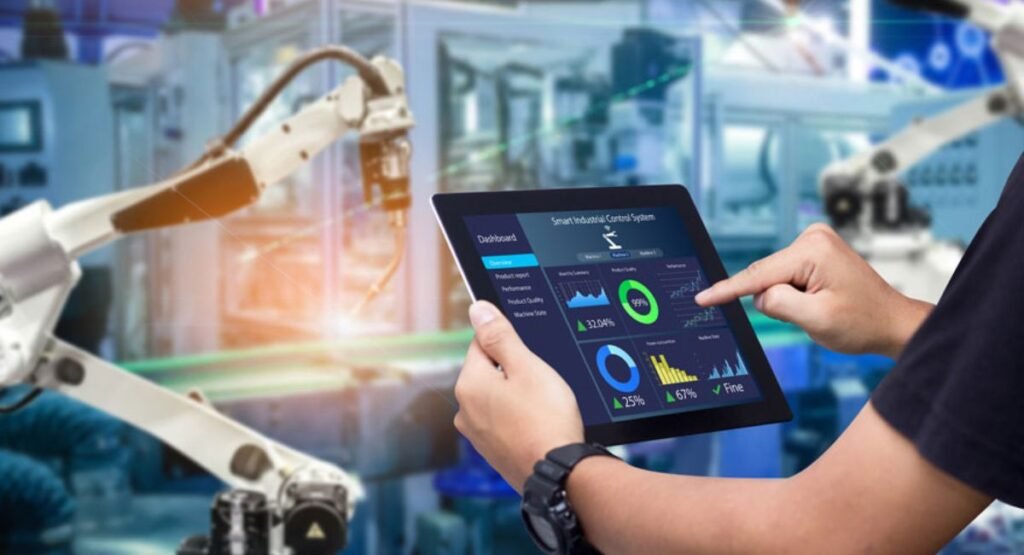
Manufacturing software development refers back to the technique of designing, constructing, and deploying software answers mainly for manufacturing operations. These answers address manufacturing making plans, stock management, excellent manage, logistics, and performance tracking. Unlike generic equipment, custom production software aligns intently with particular workflows and business goals.
Definition and Core Concept
At its core, production software program development specializes in solving operational demanding situations the use of era. It integrates structures, automates repetitive responsibilities, and affords real-time insights. The aim is to create a centralized virtual atmosphere that improves visibility and control across the entire manufacturing method.
Custom Manufacturing Software vs Ready-Made Solutions
Off-the-shelf software offers constrained customization and might not match precise manufacturing wishes. Custom manufacturing software program is constructed round specific techniques, making it greater scalable and efficient. While the initial funding may be better, custom solutions deliver higher long-time period fee and overall performance.
Key Problems Faced by Manufacturing Companies Today
Manufacturers come upon several operational demanding situations that restrict growth and performance. These troubles regularly stand up from previous methods, disconnected structures, and lack of accurate statistics. Identifying those troubles is the first step in the direction of powerful digital transformation.
Inefficient Production Processes
Manual workflows and negative coordination slow down production and growth errors. Inefficiencies lead to wasted time, substances, and resources. Without automation, retaining consistent nice will become a challenge.
Lack of Real-Time Data Visibility
Many manufacturers conflict to get right of entry to actual-time manufacturing records. Delayed information prevents quick choice-making and problem decision. This loss of visibility can result in missed deadlines and reduced productivity.
High Operational Costs and Downtime
Unexpected machine screw ups and unplanned downtime increase operational charges. Without predictive insights, maintenance turns into reactive instead of proactive. This negatively affects ordinary efficiency and profitability.
Difficulty in Scaling Manufacturing Operations
As corporations develop, legacy structures fail to support extended demand. Scaling operations will become complex and high-priced without flexible software solutions. This limits lengthy-term increase potential.
How Manufacturing Software Development Solves These Challenges

Manufacturing software program improvement immediately addresses operational inefficiencies via automation and integration. By digitizing methods, businesses benefit better control and visibility. These answers enable producers to adapt speedy to modifications and improve standard performance.
Process Automation and Workflow Optimization
Automation reduces guide effort and minimizes human mistakes. Optimized workflows make sure smoother operations and quicker manufacturing cycles. This results in stepped forward consistency and higher output exceptional.
Centralized Data Management
Custom software program centralizes information from multiple departments into one platform. This improves verbal exchange and removes statistics silos. Decision-makers can get entry to correct, real-time records easily.
Improved Decision-Making Through Analytics
Advanced analytics provide insights into performance developments and ability troubles. Manufacturers can make knowledgeable selections primarily based on records instead of assumptions. This proactive technique complements efficiency and reduces risks.
Essential Features of Manufacturing Software Development
Effective production software program ought to encompass features that guide operational efficiency and scalability. These features make sure seamless integration, automation, and overall performance tracking across production methods.
Real-Time Production Monitoring
Real-time tracking lets in manufacturers to monitor manufacturing popularity right away. It enables identify bottlenecks and enhance useful resource utilization. This feature complements transparency and duty.
Inventory and Supply Chain Management
Efficient inventory management prevents overstocking and shortages. Integrated deliver chain features improve coordination with suppliers. This effects in decreased waste and better price control.
ERP and Third-Party System Integration
Integration with ERP and other systems ensures smooth facts waft across departments. It removes duplication and improves operational consistency. This creates a unified manufacturing atmosphere.
Quality Control and Compliance Management
Built-in great manage capabilities assist keep product requirements. Compliance tracking guarantees adherence to enterprise guidelines. This reduces risks and improves customer agree with.
Predictive Maintenance and Reporting
Predictive renovation uses records to anticipate device screw ups. Regular critiques provide insights into machine overall performance. This minimizes downtime and extends device lifespan.
Types of Manufacturing Software Systems
- ERP (Enterprise Resource Planning): Integrates middle commercial business enterprise techniques like finance, stock, and manufacturing into one gadget for better visibility and choice-making.
- MES (Manufacturing Execution System): Monitors real-time manufacturing, schedules obligations, guarantees excellent, and decreases downtime on the store floor.
- PLM (Product Lifecycle Management): Manages the entire product lifecycle from design to production, improving collaboration, compliance, and time-to-market.
- SCM (Supply Chain Management): Optimizes procurement, logistics, and distribution, improving overall performance, lowering delays, and improving supply chain visibility.
- QMS (Quality Management System): Automates high-quality methods, tracks compliance, reduces mistakes, and ensures constant product requirements and consumer satisfaction.
Manufacturing Software Development Process

A established improvement procedure guarantees successful implementation of producing software program. Each degree focuses on aligning era with enterprise needs.
Requirement Analysis and Planning
This segment involves understanding operational challenges and goals. Clear necessities make sure correct answer design. Proper planning reduces dangers and improvement delays.
UI/UX Design for Manufacturing Teams
User-pleasant design improves software adoption. Interfaces are tailored for store-ground employees and executives. This ensures ease of use and productiveness.
Custom Software Development and Testing
Development focuses on building scalable and steady solutions. Rigorous testing ensures reliability and overall performance. This phase minimizes errors before deployment.
Deployment, Training, and Ongoing Support
Smooth deployment ensures minimal disruption. Training helps customers adapt speedy. Continuous aid ensures long-time period fulfillment and scalability.
Benefits of Manufacturing Software Development
Manufacturing software development supplies measurable blessings that beautify business performance. These benefits support long-term growth and competitiveness.
Increased Productivity and Operational Efficiency
Automation and optimization enhance production velocity. Employees focus on high-fee tasks. Overall efficiency will increase appreciably.
Reduced Costs and Higher ROI
Efficient methods lower operational fees. Predictive renovation reduces downtime charges. Businesses gain better returns on investment.
Enhanced Product Quality and Consistency
Quality manage functions make certain standardization. Reduced mistakes improve customer satisfaction. Consistent output strengthens brand popularity.
Better Customer Satisfaction
Timely manufacturing and delivery enhance purchaser agree with. Data-driven operations decorate responsiveness. Satisfied customers lead to repeat business.
Custom vs Off-the-Shelf Manufacturing Software
Choosing among custom and prepared-made solutions is important. Each option has distinct blessings and limitations.
Cost and Long-Term Value Comparison
Off-the-shelf software program may appear cost-effective first of all. However, customization and scalability barriers growth long-term costs. Custom software program offers higher cost over time.
Flexibility, Scalability, and Customization
Custom answers adapt effortlessly to converting wishes. They scale with enterprise growth. Off-the-shelf tools frequently lack this adaptability.
Which Option Is Right for Your Business?
Businesses with unique workflows benefit greater from custom software program. Standard operations may also match ready-made answers. The proper preference relies upon on long-term goals.
Future Trends in Manufacturing Software Development

Emerging technology are shaping the destiny of producing software. Staying updated guarantees competitive benefit.
AI and Machine Learning in Manufacturing
AI allows predictive analytics and smart automation. Machine getting to know improves process optimization. These technology beautify performance and accuracy.
Internet of Things (IoT) and Smart Factories
IoT connects machines and systems in real time. Smart factories enhance tracking and control. This results in information-driven manufacturing environments.
Cloud-Based Manufacturing Software Solutions
Cloud answers offer scalability and far flung get entry to. They lessen infrastructure fees. Cloud adoption helps international manufacturing operations.
How to Choose the Right Manufacturing Software Development Company
Selecting the proper improvement accomplice is critical for fulfillment. The proper agency ensures great, scalability, and lengthy-time period assist.
Industry Experience and Technical Expertise
Experience in production domain names guarantees better knowledge. Technical expertise ensures reliable solutions. This reduces implementation dangers.
Customization Capabilities and Technology Stack
A robust tech stack ensures overall performance and safety. Customization competencies align software with workflows. This complements operational efficiency.
Support, Maintenance, and Scalability
Ongoing aid guarantees smooth operations. Scalable solutions aid enterprise increase. Reliable protection minimizes downtime.
FAQ
1: What is manufacturing software development?
Manufacturing software program improvement includes designing and imposing custom digital answers to automate manufacturing, music stock, and optimize operations for improved performance and profitability.
2: How does manufacturing software improve production efficiency?
It automates repetitive responsibilities, reduces human mistakes, provides real-time insights, and streamlines workflows, ensuing in faster manufacturing cycles and better operational performance.
3: Which types of manufacturing software are most important?
Common solutions include ERP, MES, PLM, SCM, and OEE structures, each addressing inventory, production making plans, excellent control, and supply chain management correctly.
4: Can manufacturing software help reduce operational costs?
Yes, it minimizes downtime, optimizes resources, reduces exertions-intensive duties, and improves stock management, contributing to widespread price financial savings and better ROI.
5: What future trends should manufacturers consider in software?
Manufacturers have to undertake AI, IoT, predictive analytics, and cloud-primarily based definitely answers to enhance automation, selection-making, and scalability for lengthy-term enterprise increase.
Conclusion and Next Steps
Manufacturing software program improvement empowers corporations to triumph over operational demanding situations and embody digital transformation. By automating strategies, improving visibility, and enabling scalability, custom software solutions pressure efficiency and growth. Investing inside the proper production software program is a strategic step in the direction of lengthy-time period achievement in an increasingly competitive industry.