Legacy Modernization Services – Transform Systems for Growth
Legacy systems have long been the spine of agency operations, supporting center business techniques for many years. However, in today’s hastily evolving digital panorama, those previous structures regularly turn out to be boundaries to increase and innovation.
Legacy modernization services aim to replace or replace legacy applications, infrastructure, and workflows, making them greater agile, stable, and green. By embracing modernization, corporations can reduce operational charges, beautify protection, and enhance regular employer typical performance at the same time as making sure era aligns with strategic goals.
Why Enterprises Must Modernize Legacy Systems

Legacy systems also can have been dependable in the beyond, however they regularly struggle with scalability, overall performance, and safety in modern-day environments. Modernization ensures companies can adopt cloud technologies, combine AI and automation, and beautify operational efficiency.
Companies that remove modernization hazard falling in the back of competition, dealing with better preservation fees, and struggling to fulfill patron expectations. By modernizing, corporations now not first-class improve system reliability but also permit innovation, streamline workflows, and create a basis for future virtual transformation initiatives.
Cost and Risk Implications
- Maintaining legacy systems can drain budgets because of high operational charges.
- Outdated infrastructure will growth cybersecurity dangers and regulatory non-compliance.
- Business tactics become slower, affecting time-to-market and customer satisfaction.
- Hidden fees like hardware updates and licensing expenses maintain to upward push.
- Downtime and technical failures can disrupt important enterprise operations.
Key Approaches to Legacy Modernization
- Rehosting / Lift
- Replatforming: Upgrading databases or working structures to decorate scalability and performance while maintaining center capability.
- Refactoring / Re-architecting: Restructuring packages into microservices to enhance maintainability, flexibility, and aid for cloud-local environments.
- Full Rebuild / Replacement: Completely rewriting programs or adopting SaaS answers for comprehensive modernization and alignment with cutting-edge commercial enterprise desires.
Modern Technologies in Legacy Modernization
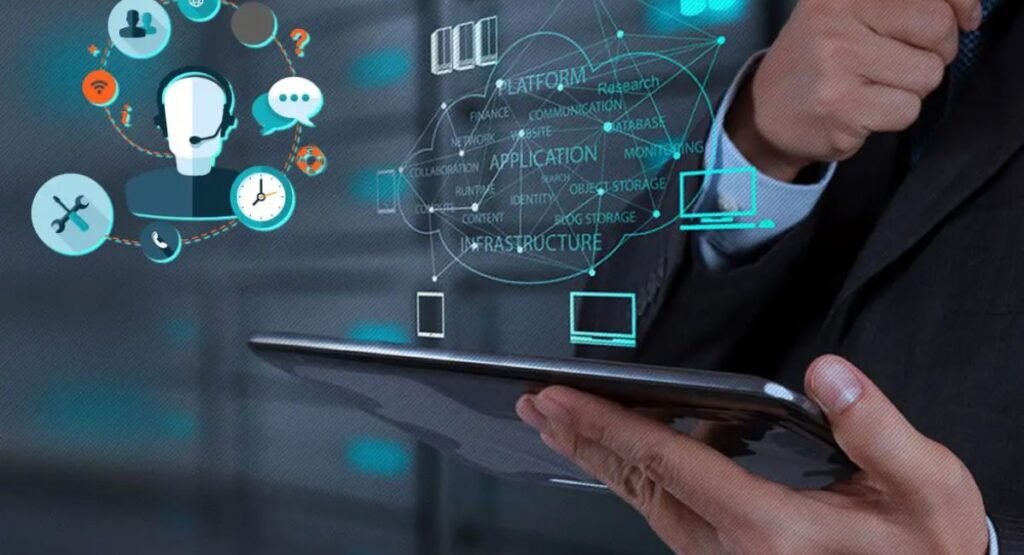
Modern technology like containerization, cloud computing, and AI are revolutionizing legacy modernization. Containerization ensures applications run usually across environments, simplifying deployment and enhancing reliability. Cloud systems provide scalable infrastructure, transferring charges from CapEx to OpEx and improving business organization agility.
AI and gadget mastering boost up code evaluation, come across inefficiencies, and automate testing, decreasing manual effort and rushing up modernization. Integrating these technologies guarantees corporations can innovate constantly even as maintaining operational performance and security.
Benefits of Legacy Modernization
- Improved machine performance, responsiveness, and reliability.
- Reduced operational and upkeep expenses for long-term financial savings.
- Enhanced security and compliance with present day regulatory standards.
- Better person interface and customer experience for elevated pride.
- Greater flexibility and scalability to satisfy evolving business demands.
Phased Roadmap for Modernization
- Assessment & Planning: Evaluate current systems, identify modernization candidates, and align strategies with business objectives.
- Pilot / MVP Modernization: Test processes on pick applications to benefit insights and mitigate risks.
- Iterative Implementation: Apply modernization in levels to make certain smooth transitions and minimum disruption.
- Governance & Change Management: Engage stakeholders, train employees, and establish clear processes for adoption.
- Ongoing Optimization: Continuously screen, examine, and decorate modernized structures for peak performance.
Choosing the Right Legacy Modernization Partner
Selecting a succesful partner is essential for a a success modernization adventure. Companies need to compare companies based totally on knowledge in cloud, AI, DevOps, and microservices. Consider worldwide integrators for complex, huge-scale projects or boutique consultancies for specialized desires.
Look for tested automation equipment, governance frameworks, and measurable ROI. A skilled partner reduces threat, hurries up transformation, and ensures that technical upgrades translate into strategic commercial enterprise effects, enabling businesses to obtain both performance and innovation desires.
Common Challenges and Solutions
- Technical Debt: Use phased modernization, refactoring, and cloud-local techniques to lessen complexity and improve maintainability.
- Budget Constraints: Plan incremental modernization, prioritize high-impact regions, and leverage rate-effective cloud answers.
- Change Management: Engage employees early, provide education, and hold clean communique to make sure adoption.
- Data Migration Complexity: Use computerized tools and cautious planning to keep away from downtime and information loss during migration.
- Business Disruption Risks: Implement phased rollout and pilot packages to hold operational continuity at some point of modernization.
Future-Proofing Your Enterprise Systems
Future-proofing guarantees modernized systems stay adaptable to rising generation and marketplace tendencies. Incorporating AI, automation, and cloud-neighborhood structure allows speedy scaling and innovation. Developing APIs and contemporary frameworks permits seamless integration with legacy and 1/3-party structures.
Continuous tracking, iterative optimization, and adherence to pleasant practices make certain systems hold pinnacle overall performance and protection. By strategically making plans for the destiny, companies can turn legacy structures into effective belongings that aid prolonged-time period growth, performance, and aggressive gain.
FAQs
1.What is legacy modernization?
Legacy modernization is the system of updating previous systems, software program, and infrastructure to improve overall performance, safety, scalability, and align IT with commercial employer goals.
2.Why is legacy system modernization important for businesses?
Modernizing legacy systems reduces maintenance costs, improves safety, complements agility, supports innovation, and ensures groups can meet evolving customer and marketplace needs.
3.What are the common approaches to legacy modernization?
Approaches include rehosting, replatforming, refactoring, re-architecting, and whole alternative, relying on business goals, machine complexity, and desired virtual transformation outcomes.
4.How does modernization improve security and compliance?
Legacy modernization integrates up to date security protocols, get proper of entry to controls, and compliance measures, reducing vulnerabilities and aligning structures with enterprise recommendations and requirements.
5.What is the role of cloud and AI in legacy modernization?
Cloud structures and AI boost up modernization by way of using permitting scalability, automation, code assessment, and advanced deployment, making sure structures are efficient, adaptable, and destiny-equipped.
Conclusion & Next Steps
Legacy modernization services remodel outdated systems into agile, stable, and scalable structures. By adopting a phased method, integrating modern-day technology, and partnering with specialists, agencies can reduce charges, decorate overall performance, and release innovation. Start your modernization journey nowadays to destiny-proof operations, enhance purchaser experiences, and force sustainable growth.