Best Plumbing Estimating Software for Small and Commercial Contractors
Accurate estimates are crucial for plumbing businesses to win jobs and maintain profitability. Manual spreadsheets and handwritten calculations often lead to errors, wasted time, and inconsistent pricing. That’s where plumbing estimating software comes in. Designed specifically for plumbers, this software automates cost calculations for materials, labor, and overhead, while standardizing estimates across teams.
From small residential jobs to large commercial projects, it ensures accuracy, speeds up proposal creation, and improves cash flow. In this guide, we explore how plumbing estimating software works, the key features to look for, top platforms on the market, and tips to choose the best solution for your business growth in 2026.
Streamline your bids and protect profits with plumbing estimating software. Learn top tools, features, and tips to create fast, accurate estimates in 2026.
What Is Plumbing Estimating Software?
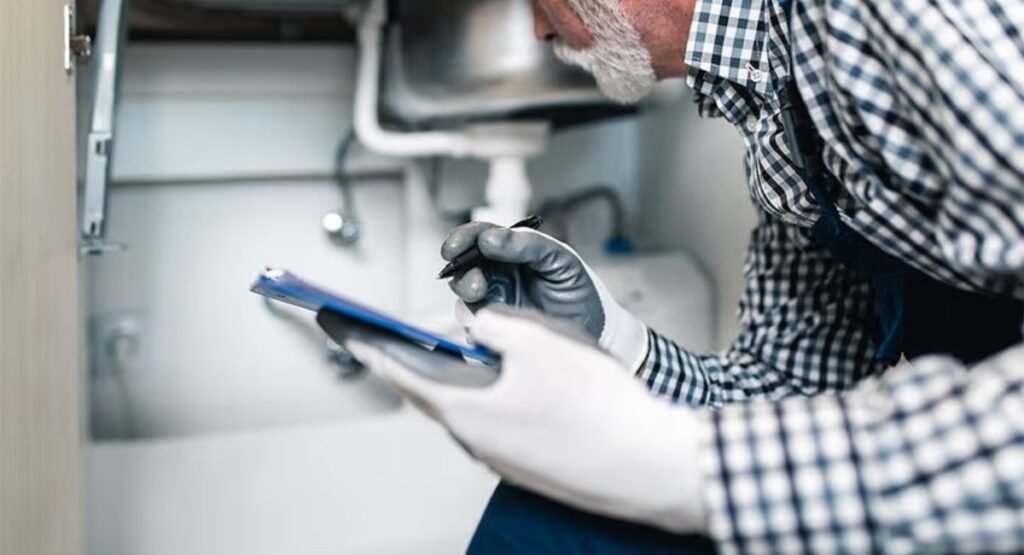
Plumbing estimating software is a specialized digital tool that helps plumbing contractors calculate job costs accurately and consistently. It combines material pricing, labor rates, equipment costs, overhead, and profit margins into one centralized system.
Unlike basic spreadsheets or generic estimating tools, this software is designed specifically for plumbing work, using trade-specific assemblies, fixtures, and labor units. This means your estimates are based on real plumbing requirements rather than rough assumptions, reducing costly mistakes and improving pricing accuracy.
How Does Plumbing Estimating Software Work?
Plumbing estimating software follows a structured process that simplifies how estimates are created. First, you enter job details such as the type of project, scope of work, and location. The software then pulls accurate material and labor costs from built-in or customized price databases.
Once costs are calculated, you apply predefined markups for overhead and profit. Finally, the software generates a professional estimate or proposal that can be shared digitally with customers. Many tools also allow you to track estimated status, follow up on open bids, and analyze conversion rates, making estimating more strategic and efficient.
Is Plumbing Estimating Software Right for Your Business?
For Small Plumbing Businesses
Small plumbing businesses often struggle with time management and pricing consistency. Plumbing estimating software helps by speeding up the quoting process and reducing calculation errors. Instead of manually updating spreadsheets or guessing prices, small teams can rely on accurate, automated estimates. This not only saves time but also improves professionalism and customer trust, even with a limited budget.
For Mid-Size Plumbing Companies
As plumbing businesses grow, maintaining consistent pricing across multiple technicians becomes challenging. Plumbing estimating software ensures that every team member uses the same labor rates, material pricing, and markup rules. This standardization helps protect profit margins, reduces internal confusion, and supports smoother scaling as job volume increases.
For Commercial Plumbing Contractors
Commercial plumbing projects involve complex scopes, detailed documentation, and competitive bidding. Plumbing estimating software helps commercial contractors manage large takeoffs, precise labor calculations, and professional proposals. With better accuracy and collaboration tools, contractors can confidently bid on large projects without risking underpricing or missed costs.
Common Estimating Problems Without Plumbing Estimating Software
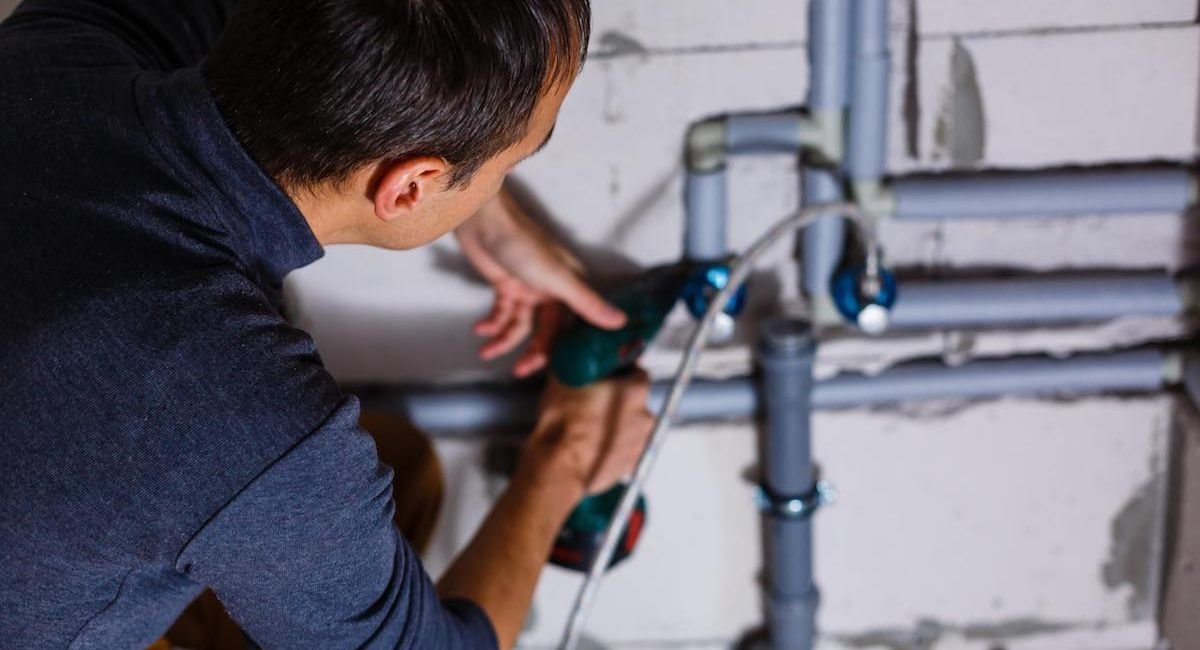
Without plumbing estimating software, many contractors face repeated estimating issues. Labor costs are often underestimated because travel time, setup, cleanup, and non-billable hours are overlooked. Material prices can quickly become outdated, shrinking profit margins without warning.
Manual estimating also takes more time, causing delays in responding to customers. In addition, tracking and following up on unsold estimates becomes disorganized, leading to missed revenue opportunities. Estimating software eliminates these problems by automating calculations and keeping all data centralized.
Key Features to Look for in Plumbing Estimating Software
Plumbing Cost & Labor Databases
A strong plumbing estimating software includes built-in databases for materials, fixtures, and labor rates. These databases reduce manual entry and help ensure estimates reflect current market pricing. Many platforms also allow customization, so plumbers can adjust costs based on local supplier rates.
Mobile Estimating and On-Site Quoting
Mobile access allows plumbers to create or update estimates directly from the job site. This speeds up approvals, reduces delays, and improves customer experience by providing quotes in real time rather than days later.
Custom Bid and Proposal Templates
Customizable templates help plumbers create professional, consistent proposals quickly. Instead of building each estimate from scratch, reusable templates save time while maintaining a polished and credible appearance.
Integrations With Accounting Software
Integration with accounting tools such as QuickBooks eliminates duplicate data entry and reduces financial errors. Estimates can flow directly into invoices, saving time and improving bookkeeping accuracy.
Reporting, Analytics, and Profit Tracking
Reporting features provide insights into estimated accuracy, profit margins, and win rates. These analytics help plumbers identify pricing issues, improve decision-making, and optimize long-term profitability.
All-in-One vs Standalone Plumbing Estimating Software
All-in-one plumbing estimating software combines estimating with scheduling, dispatching, invoicing, and customer management. These platforms are ideal for growing businesses that want a single system to manage operations. Standalone plumbing estimating software, on the other hand, focuses only on estimating and takeoffs. This option works best for contractors who already use other business tools and need advanced estimating without additional features. The right choice depends on business size, workflow, and budget.
Best Plumbing Estimating Software Compared
Comparing options side by side makes decision-making easier.
Comparison Table: Pricing, Users, and Project Size
| Software | Best For | Pricing Range | Users | Project Type |
| ServiceTitan | Growing companies | High | Teams | Residential & Commercial |
| STACK | Large contractors | Medium | Multi-user | Commercial |
| FastPIPE | Commercial plumbing | Medium–High | Estimators | Large projects |
| FieldPulse | Small businesses | Low | Small teams | Residential |
| ProEst | Enterprise contractors | High | Teams | Commercial |
Best Plumbing Estimating Software by Business Type
Best for Small Plumbing Businesses
Small plumbing businesses benefit most from lightweight, affordable software that focuses on quick estimating and invoicing. These tools help replace spreadsheets without adding unnecessary complexity.
Best for Growing Plumbing Teams
Growing teams need estimating software that supports multiple users, mobile access, and integrations. These features ensure smooth collaboration and consistent pricing as the business expands.
Best for Commercial Plumbing Projects
Commercial plumbing contractors require advanced estimating software with detailed takeoffs, assemblies, and reporting capabilities. These tools support large-scale projects and competitive bidding environments.
How Plumbing Estimating Software Improves Accuracy and Profitability
Plumbing estimating software improves accuracy by using real cost data and standardized calculations. This reduces underbidding and unexpected expenses while ensuring consistent profit margins. Faster estimates also lead to quicker approvals, improved cash flow, and higher customer satisfaction. Over time, these improvements translate into increased profitability and more predictable revenue.
Plumbing Estimating Software ROI – Time Saved and Error Reduction
Most plumbing businesses save between 30% and 50% of estimating time after switching to software. Manual calculation errors drop significantly, and missed costs become rare. With improved tracking and follow-ups, many companies also see higher estimate-to-job conversion rates, delivering a strong return on investment.
Pros and Cons of Plumbing Estimating Software
Pros
- Faster and more accurate estimates
- Improved profit control
- Professional proposals
- Better tracking and analytics
Cons
- Subscription costs
- Initial learning curve
For most plumbers, the long-term gains outweigh the short-term challenges.
How Much Does Plumbing Estimating Software Cost?
The cost of plumbing estimating software varies depending on features and business size. Small business tools are typically affordable, while enterprise-level platforms cost more due to advanced capabilities. When evaluating pricing, contractors should consider time saved, reduced errors, and increased job wins rather than focusing only on subscription fees.
FAQ
1.What software would a plumber use?
Plumbers use plumbing estimating software to calculate job costs accurately. Popular tools include ServiceTitan, STACK, FastPIPE, FieldPulse, and ProEst, which streamline estimating, invoicing, and project management.
2.What are the top 5 estimating software?
The top five plumbing estimating software are ServiceTitan, STACK, FastPIPE, FieldPulse, and ProEst. These platforms help plumbers create accurate estimates, manage labor, materials, and track project profitability efficiently.
3.How to estimate plumbing costs?
To estimate plumbing costs, calculate materials, labor, overhead, and profit margins. Use software to automate calculations, standardize pricing, and generate professional proposals for residential or commercial projects.
4.Which software is most commonly used for estimating?
ServiceTitan is the most commonly used estimating software for plumbers, offering integrated pricing, mobile quoting, CRM, and workflow management, suitable for both small and commercial plumbing businesses.
5.What are the 4 types of estimating?
The four types of estimating are analogous (historical), parametric, bottom-up (detailed), and three-point (optimistic, pessimistic, most likely). Each method varies in accuracy, complexity, and project application.
Final Verdict
Choosing the right plumbing estimating software depends on your business size, project type, and workflow. Small businesses should prioritize simplicity and affordability, while larger contractors need advanced estimating power and integrations. With the right tool in place, plumbing estimating software becomes a long-term competitive advantage that supports growth, accuracy, and profitability.